
Bringing AI & data science to medicine in Hawai‘i & the Pacific
PAC-AID — the Pacific Center for Artificial Intelligence and Data Science in Medicine.
Advancing AI and data science to improve health in Hawai‘i and the Pacific.
Supported by NIH / NIGMS award P20GM161995.
A nucleating site for AI in Pacific health
The Pacific Center for Artificial Intelligence and Data Science in Medicine (PAC-AID) is an NIH / NIGMS Center of Biomedical Research Excellence (COBRE, Phase 1) at the University of Hawai‘i. Hawai‘i is one of the most ethnically diverse places on Earth, with no majority group — yet data from indigenous and Pacific populations have too often been missing from the datasets that train modern AI. PACAID exists to change that.
Our long-term goal is to build self-sustaining shared cores and an AI and biomedical data-science program that continually trains investigators to use advanced data science across all available biomedical data — improving health outcomes in the diverse communities of Hawai‘i and the Pacific.
How we do it
- Train a next-generation workforce to conduct biomedical research with artificial intelligence and advanced machine learning.
- Build state-of-the-art cores and research projects that create real training opportunities for local investigators and foster collaboration across the national IDeA network.
- Mentor through a national-caliber Advisory Committee and Mentoring Team, guiding research project leaders toward independent, sustained funding.
Services for every affiliated investigator
From data curation to AI modeling to mentoring — PACAID's cores are resources you can draw on, not just org-chart boxes.
Administrative Core
Integrates all Center operations — fiscal administration, the External Advisory Committee and Mentoring Team, evaluation, the Pilot Projects Program, and the annual workshop series.
- Mentoring & career-development planning for project leaders
- Pilot Projects Program administration and review
- Evaluation, metrics, and NIH reporting support
- Annual workshops, seminars, and site visits
Core Leads: John A. Shepherd, PhD · Youping Deng, PhD
MEDAI Core
The center's technical engine: curates and harmonizes clinical, imaging, and multi-omics data, then builds and applies AI/ML and large-language-model methods so investigators can take on problems that were not solvable before.
- Data curation, de-identification, and harmonization
- AI/ML model development and interpretation
- LLM / NLP methods for clinical text
- Imaging analysis and deep-learning computer vision
- Hands-on ML/AI workshops and tutorials
Core Leads: Yuanyuan Fu, PhD · Peter Sadowski, PhD
Four projects, one mission
Early-career investigators lead the Center's inaugural research projects, each paired with internal and external mentors.
AI triage of skin lesions via 2D photography
Trains a deep-learning computer-vision platform to triage skin lesions from ordinary 2D photographs, with dermatologist and pathology ground truth.
Lead: Kevin Cassel, PhD
Multi-omics of pancreatic cancer in NHPI & Asian populations
Integrates clinical and molecular data — transcriptional subtypes and the tumor microenvironment — to study pancreatic cancer in Native Hawaiian, Pacific Islander, and Asian populations.
Lead: Elizabeth Nakasone, MD, PhD
Systems functional genomics of congenital heart disease
Combines GWAS/omics analyses with hiPSC-cardiomyocyte validation to dissect the genetic basis of congenital heart disease.
Lead: Yiqiang Zhang, PhD
AI/ML causal discovery of environmental toxicants on fetal outcomes
Applies causal-inference and machine-learning methods to uncover how environmental toxicant exposures affect fetal outcomes.
Lead: Jonathan Huang, PhD, MPH
Pilot Projects Program
The PAC-AID Pilot Project Program funds biomedical research in which AI and data science are integral, not incidental. The Year 2, Call 1 cycle will make at least two awards of up to $50,000 in direct costs, pairing funding with hands-on access to the MEDAI Core and Hawai‘i's first biomedical AI data center to help investigators build toward independent NIH funding. A letter of intent is required; full applications are by invitation.
Leadership, investigators & advisors
Leadership

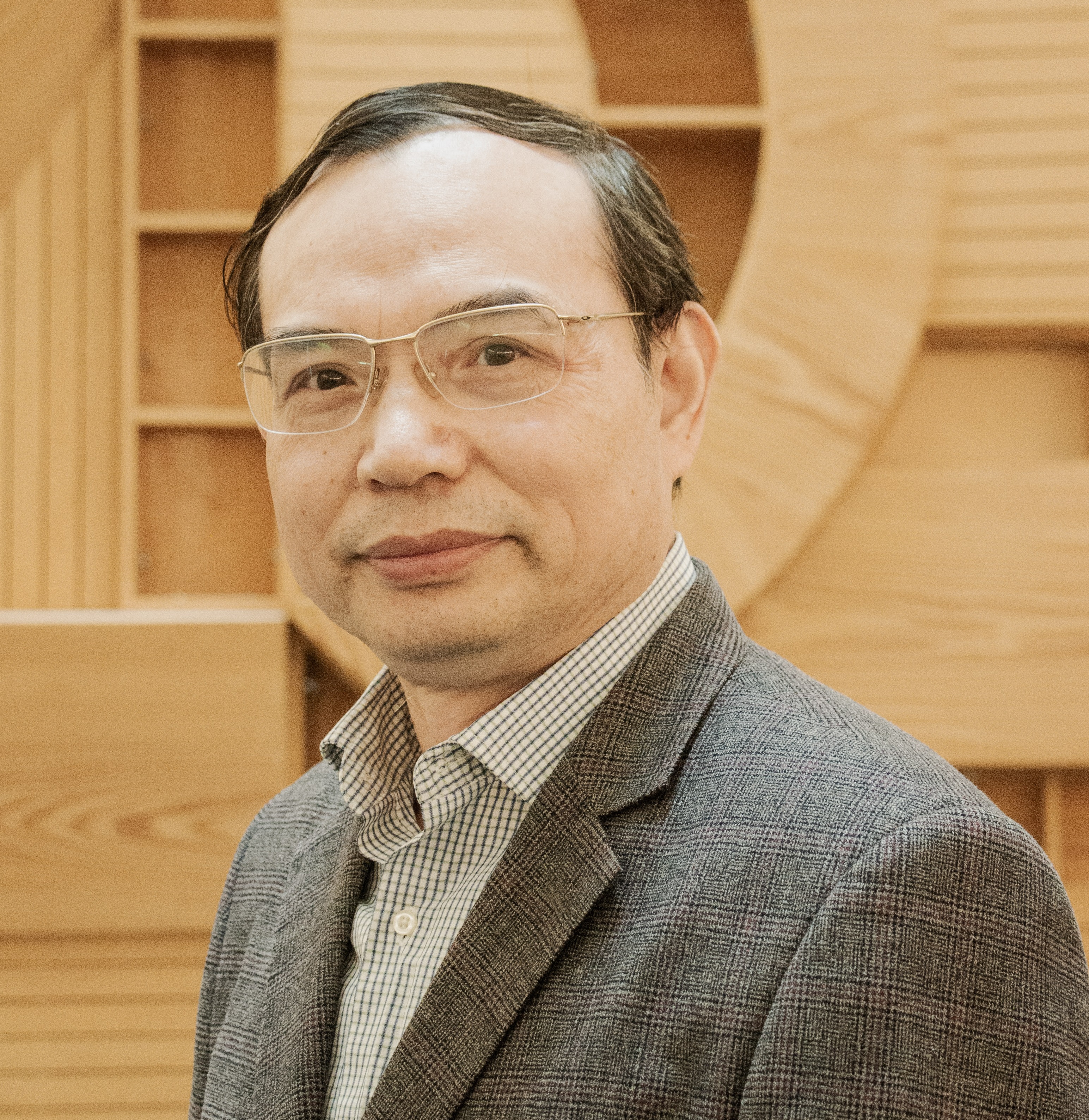
MEDAI Core Directors
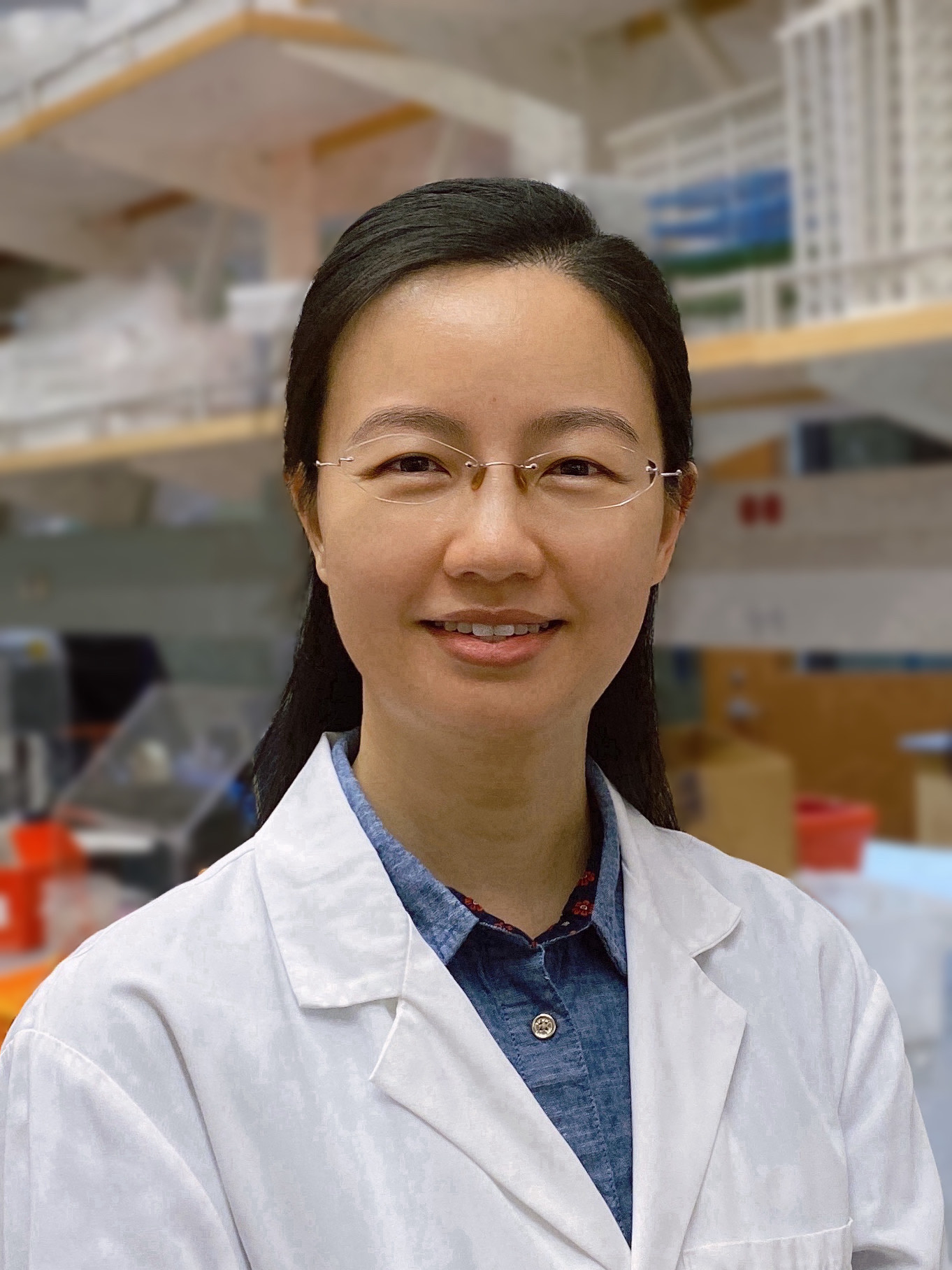
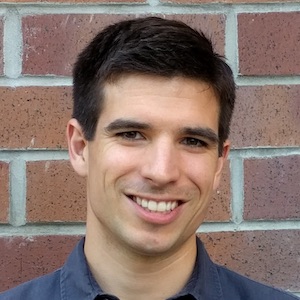
Research Project Leaders

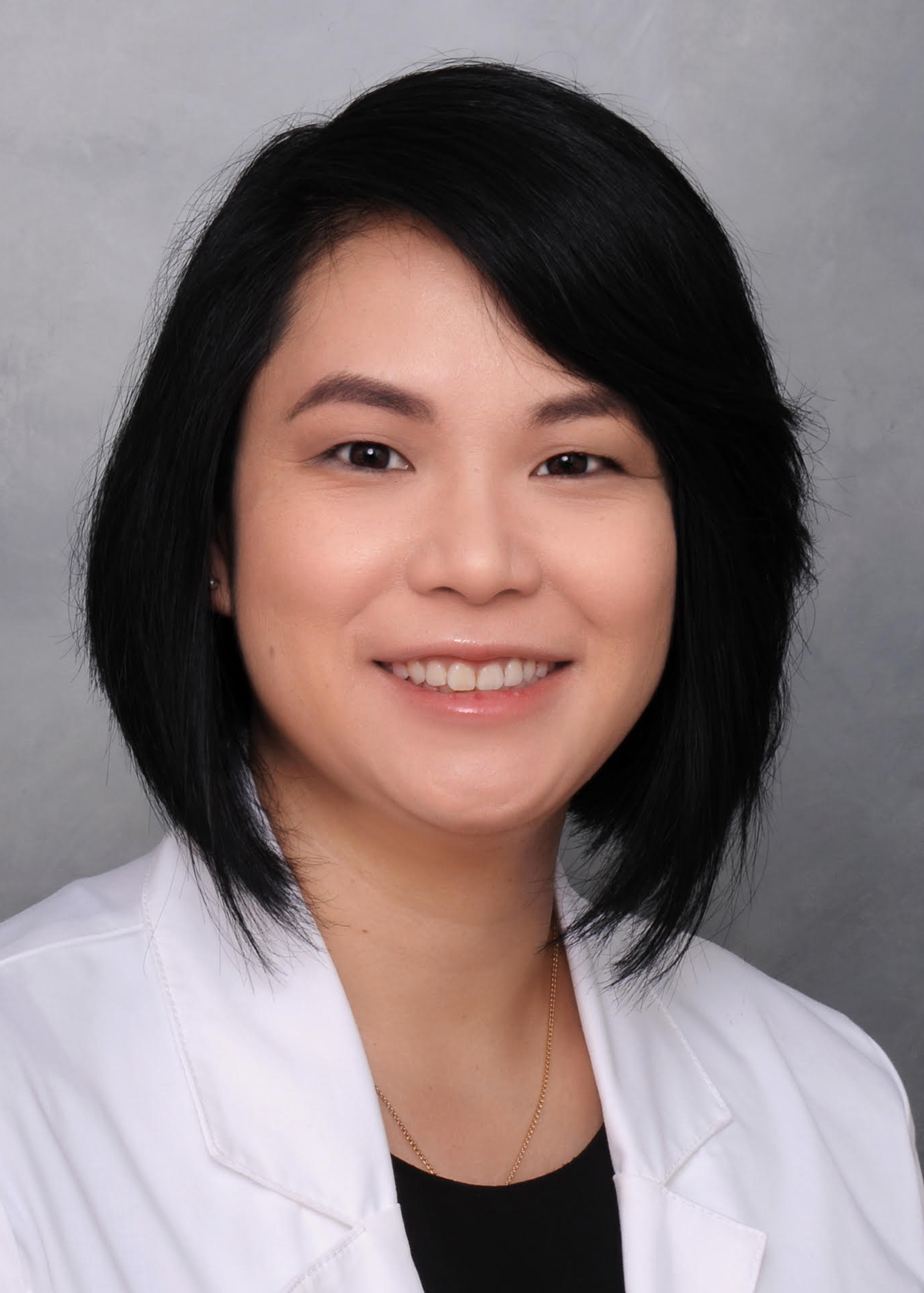
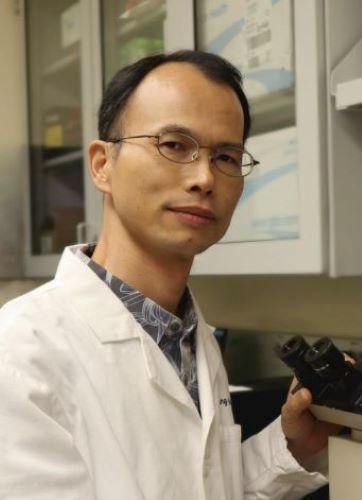

Mentoring Team




Internal Advisory Committee

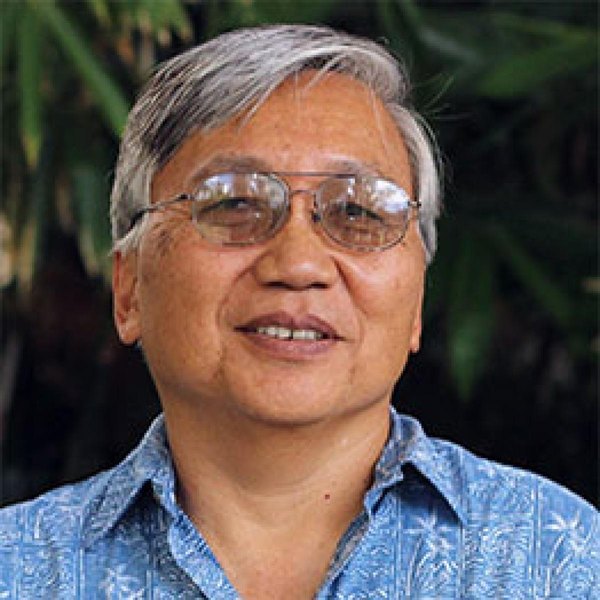
External Advisory Committee

Built with our community
Latest from PACAID
Sep 23, 2026
Special seminar: Igor Shuryak on validating causal models when there is no ground truth
PAC-AID is sponsoring an in-person special seminar on Thursday, October 8, 2026, 11:30 AM to 12:30 PM HST in the Sullivan Conference Center at...
Aug 24, 2026
PAC-AID Talks: Sovanlal Mukherjee on catching pancreatic cancer before it can be seen
The next PAC-AID Talk is Friday, September 4, 2026 at 9:00 AM HST on Zoom. Sovanlal Mukherjee, PhD, Assistant Professor of Radiology at Mayo...
Jun 22, 2026
Coming soon: Fall 2026 Pilot Projects Program call for applications
PAC-AID will soon announce a call for applications for the Fall 2026 cycle of its Pilot Projects Program — and we want investigators across...
Contact PACAID
Questions about the Center, the pilot program, cores, or collaborating? We'd love to hear from you.
PAC-AID — Pacific Center for Artificial Intelligence and Data Science in MedicineUniversity of Hawai‘i Cancer Center, Honolulu
701 Ilalo Street · Honolulu, HI 96813
Contact PD/PI: John A. Shepherd, PhD · MPI: Youping Deng, PhD